
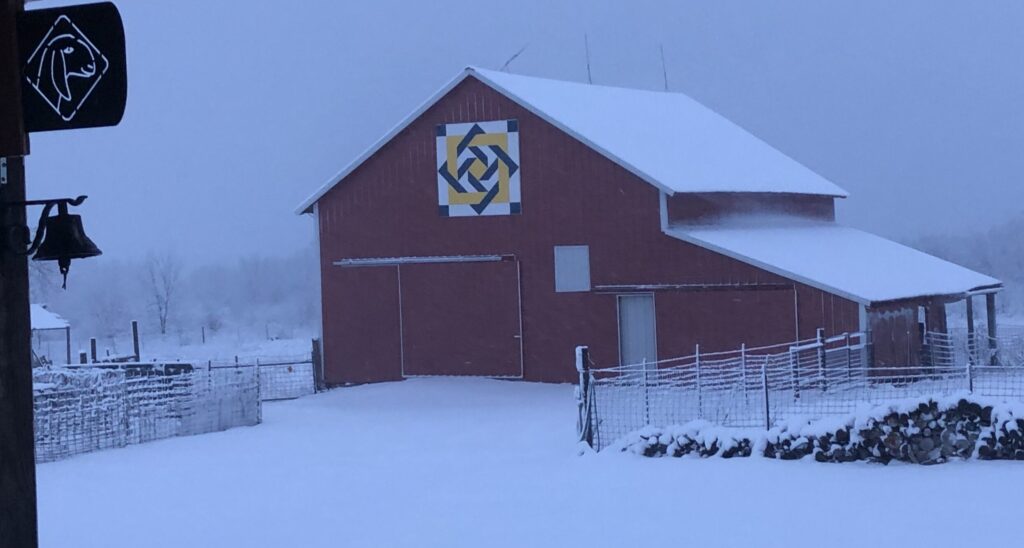
Why Raw Goat Milk Is Hard to Find in the Winter
If you’ve discovered how raw goat milk helps your gut, your energy, and your overall wellness — it can be frustrating when it disappears in the winter.
Many families love getting fresh milk from a local farm, only to find out it’s not available during the colder months. But why is that?
Let’s walk through why raw goat milk is hard to purchase directly from farmers in the winter — and how understanding the natural rhythm of goats can help you plan ahead.
The Simple Reason: Goats Take a Break
Goats aren’t machines. They’re living animals with natural cycles.
Unlike grocery store milk, which comes from large operations that breed and milk cows year-round, raw goat milk from small farms like ours follows a more traditional, seasonal rhythm.
Goats are typically milked after they give birth. In most climates, that means spring through early fall. Once breeding season starts in the fall, farmers dry off their goats (stop milking) to let their bodies rest and prepare for the next round of babies.
So when winter comes, the milk dries up.
Why Goats Don’t Make Milk Year-Round
1. Milk Only Comes After Birth
Like all mammals, goats produce milk to feed their babies. They don’t make milk all the time — only after they give birth.
On most small farms, baby goats (“kids”) are born in late winter or early spring. The mama goats start producing milk around then, and continue for about 6–9 months.
When farmers stop milking in the fall, it’s because the goats are being bred again — and their bodies need time to rest and grow healthy babies.
2. Healthy Goats Need Rest
Milking is demanding. Producing nutrient-rich milk takes a lot out of a goat’s body.
Giving them a break during pregnancy helps them stay strong, avoid burnout, and come into the next season healthy and ready to produce again.
It’s also better for the milk. When goats are well-rested and well-fed, their milk is richer and easier to digest.
Why Most Small Farms Follow This Cycle
Small raw milk dairies usually don’t use hormones or artificial lighting to force goats into year-round production. Instead, they let the animals follow their natural patterns. Here’s what a typical year looks like:
-
-
Fall (October–November): Breeding season begins (milk acquires a “goaty” flavor through these hormone fluctuations – we choose not to milk during this time)
-
Winter (December–February): No milk; goats are pregnant and resting
-
Spring (March–April): Baby goats are born; milking resumes
-
Summer (May–August): Peak milk season
-
Early Fall (September): Milking slows as breeding season prepares to starts again
-
This cycle respects the animal’s health — and supports the quality of the milk.
But I Need It for My Gut — What Can I Do?
If raw goat milk has been part of your healing journey, it’s understandable to feel disappointed when it’s not available.
Here are a few ways to plan ahead and support your gut during the winter:
1. Freeze It While It’s Fresh
Many farms offer the option to buy and freeze raw goat milk in the summer and fall. Our farm offers it for sale this way to help you prepare! Milk freezes well (and is how our family survives in the winter!). If you opt to freeze it on your own, just be sure to:
Milk freezes well — just be sure to:
-
-
Use clean, airtight containers (leave space for expansion)
-
Thaw in the fridge, not on the counter
-
Shake or stir gently before using
-
While the texture may be slightly different after freezing, the nutrients and enzymes remain intact.
2. Ask About Frozen Options
Some farms freeze milk in advance and sell it through the winter. We often have some available (but be warned, it’s only available for a limited time – our stock sells quickly throughout the winter!).
If your farmer offers frozen milk, stock up monthly and keep your freezer organized so you always know what you have on hand.
3. Focus on Other Gut-Healthy Foods
When raw milk isn’t available, it’s a great time to focus on other gut-supporting foods like:
-
-
Bone broth
-
Fermented vegetables (sauerkraut, kimchi)
-
Yogurt or kefir (if tolerated)
-
Cooked vegetables, especially root veggies and squash
-
You can even use frozen raw goat milk as a base for smoothies, soups, or homemade yogurt.
Why Farms Don’t Just Milk All Year
It might seem like farmers could just stagger their breeding schedules or keep a few goats milking during the winter. And while some large operations do this, it’s not always practical — or healthy — for small farms.
1. Goats Are Seasonal Breeders
Most goats come into heat in the fall. It’s difficult (and sometimes impossible) to breed them at other times without drugs or artificial lighting.
That means babies are naturally born in spring — and milk comes after.
2. Milking Through Pregnancy Isn’t Ideal
While it’s possible to milk goats through early pregnancy, most small farmers choose not to.
Why?
-
-
It can stress the mother goat and inhibit fetal growth
-
Milk production drops naturally anyway
-
It’s hard on the farmer during cold, icy months
-
3. Winter Farming Is Demanding
Caring for animals in freezing weather is no small task. Hauling water, cleaning stalls, and milking in below-zero temps and dark hours can take a physical toll — especially when the output is low.
By focusing on rest and preparation in the winter, our family and herd can serve you best.
How You Can Support Your Farmer
If you love raw goat milk, you’re already part of something special: a local food system built on care, transparency, and health. YOU are why we are here!
Here’s how you can support us during the off-season:
-
-
Buy frozen milk if offered — even a few extra gallons help
-
Stay on our email list for updates on when milk returns
-
Purchase other winter products like fudge, soap, or cheese
-
Tell your friends about your experience with raw milk
-
Every purchase, referral, and kind word helps small farms survive the winter and continue offering clean, wholesome milk in the spring.
Final Thoughts
Raw goat milk is a seasonal gift — not a mass-produced product. When we understand the natural rhythms behind it, we begin to see its value more clearly.
Winter might feel like a pause, but it’s really a time of rest, growth, and preparation — for both goats and the people who care for them.
So if you’re reaching for raw milk this winter and can’t find it, remember: it’s coming back. And when it does, it will be fresh, full of life, and worth the wait.
In the meantime, stock your freezer, nourish your gut with other real foods, and trust the process.
Because sometimes, the healthiest things in life follow a slower rhythm — and that’s part of the beauty.