Before the Page Turns: 2025 in Review

Before the Page Turns: 2025 in Review

2025 is winding down… I truly can’t believe it. Wasn’t it just yesterday I was ringing in the 2025 new year (at 9:30 PM 🤣) with my kiddos??

This time of the year is a tremendous gift. The Christmas season – what I consider the most important holiday, secondary to Easter. The rejoicing, celebrating, and remembering. 

And then looking head to the new year. What will it hold? I have things I hope for, and the cognizant awareness that it may not look anything like what I expect. What I do have for it is the hope that I will walk closely with my Lord, trusting His goodness, His wisdom, and His genuine care for me. 

But for today, I wanted to give you a peek into the past year with my family. I don’t always share this stuff because my goal is to be here for YOU. I don’t want it to be all about me. But I’ve talked with you enough to know that you WANT to know what my life looks like, from time-to-time. And not just the daily logistics of farm life (although I’m glad to share that with you too 😉).

You are so gracious to me and to my family – my heart is so full to know how much you care. So my first reflection of the past year is a simple, thank you. 

✨Thank you for supporting me and my family.
✨Thank you for encouraging us.
Thank you for being there for us, month after month.

Alrighty, here goes the rest:

Role Call

There’s me – you know me, the goat farmer. You chat with me in the farm store, on the phone, and on farm tours. You hear from me most weeks via email. You know a lot about me! 

Then there’s my husband, affectionately referred to as “Farm Boy” (Princess Bride reference). He told me before we got married that, “you won’t see me out milking goats.” And although that may be true, he eagerly volunteers for anything requiring the tractor and works with me on pretty much anything else that is not directly milking, because he loves me. We’ve had the privilege of being married for 11 years in 2025. He’s amazing 😍

There’s our children. Abigail (almost 8), Josiah (6), Daniel (almost 2), and *drumrollll* BabE4 coming in late February! 🥳 These blessings make life so rich. And they also refine my character daily, which is a true honor. We spend a lot of time together through homeschooling, the farm, community, and church activities.

Abigail is a sweet, bright, self-motivated, little lady. She started 4-H this past year, loves playing the piano, adores babies, and has a green thumb for flowers. I constantly joke (although it’s true), that if anything happens to me, she could run the home and the farm. Her tender heart notices amazing things about people.

Josiah is everything a 6-year-old boy should be. He’s self-confident in all of his abilities (including those he has not yet put to the test 😂), a magnificent story-teller, and delightfully active. He mastered reading this past year and plows through books. He has a unique ability to connect with people of all kinds… if you chat with Josiah, there’s no telling what “wisdom” you’ll walk away with!

Daniel lives his best life desperately trying to keep up with his siblings. His motor, “brrrrrrrmmmmmm,” is always running with toy trucks and tractors, and he innately uses everything he finds as a weapon. I’ve never understood this mystery with little boys, but it rings true yet again. He’s great with farm life and doesn’t know any different!

The Lows

No life is perfect, and it is walking together in these lows that draws us tightly together.

The lowest season for us this year came in the latter part of May. We had a stack of unexpected house repairs that required immediate attention, Abigail fell off a trailer while playing and required stitches to her upper lip, and then she needed to be seen by a specialty dentist for a possible root canal due to potential damage to permanent tooth. About the same time, we miscarried a little one at 13 weeks. The combination of all of these things at once felt like a lot to bear at the time.

Undoubtedly, the Lord was faithful, and oh, did we praise Him! We found great people to help with the house repairs, Abigail’s lip healed beautifully, and no root canal was required. God walked with us to heal our hearts and my body, only to give us another blessing. 

I won’t lie, working the most labor-intensive six months of the year through first trimester fatigue was one of the hardest things I’ve ever done. For a time, I started to feel like something was “wrong” with me, because it took so much physical effort to do anything.

I share this because I hear you tell me of your own physical limitations… and although mine may not look the same as yours, sometimes it’s nice to know that someone else out there walks through them, too.

And I know fully that not every “low” has a happy ending. Loss is still loss. Grief is still grief. Pain is still pain. But I can tell you in full confidence that God is good. And I absolutely cling to 3 portions of scripture in this:

1. Job chapters 38-41, where God’s creativity, power, and awareness are showcased. Job takes it all in. And in chapter 42, Job says, “I was talking about things I knew nothing about, things far too wonderful for me…. I had only heard about you before, but now I have seen you with my own eyes.” In agreement with Job, I can say our Lord is mighty and awesome, inspiring, and truly wonderful.
2. Philippians 4:6-7, “Don’t worry about anything; instead, pray about everything. Tell God what you need, and thank him for all he has done. Then you will experience God’s peace, which exceeds anything we can understand. His peace will guard your hearts and minds as you live in Christ Jesus.” I’ve come to Him for a lot of things and He DOES give peace. Sometimes not the answer I want on the timeline I’m looking for, but I KNOW He’s near to me in my asking and waiting.
3. 1 Peter 5:7, “Give all your worries and cares to God, for he cares about you.” Some people perceive God as far-off, angry, or oppressive. But this verse tells me otherwise. It tells me He wants to hear from me and He deeply cares about the problems I bring to Him. I find a lot of comfort in that.

The Highs

This part is so fun! Here are some highlights from our year:

    • Meeting every 5-6 weeks with another set of friends for supper and games
    • Getting a tour of the New Century AirCenter in Gardner, KS (our family finds airplanes fascinating!)
    • Celebrating Daniel’s first birthday (with pie of course, since it’s on Pi Day)
    • Growing with our church family through countless studies and social events
    • Gaining knowledge and expertise through multiple farm-related classes
    • Watching Colton’s IT business grow in ways he finds exciting and fulfilling
    • Meeting up with you through Spring and Fall Farm Tours (don’t forget to reserve Mother’s Day weekend this year!)
    • Taking our youth group to Ohio for a week-long conference
    • Meeting so many health and nutritional needs through raw goat milk and cheese
    • Being involved in our local community through our amazing public library and homeschool co-op
    • Enjoying the Sunflower Summer Program by being tourists in our lovely state!
    • Visiting my grandparents nearly every other week
    • Watching Abigail and Josiah develop in their schooling abilities, interests, and talents
    • Welcoming our pony, Cookie
    • Vacationing to Arkansas for a week in October as a family to hike, rest, and visit family
    • Prioritizing hospitality and points of connection with others

Walking with our Lord through it all, rejoicing that all we have is His and we are here for His purposes… that makes life the sweetest of all. We can’t help but rest in deep gratitude at His incredible provision in our lives.

The Future

What’s next?

Well, that’s always the question, isn’t it? In one sense, it’s keep-on-keeping-on. The kids will resume school next week, I have a list of “nesting” tasks to tackle before babE4, and we hope to welcome our little one at the end of February.

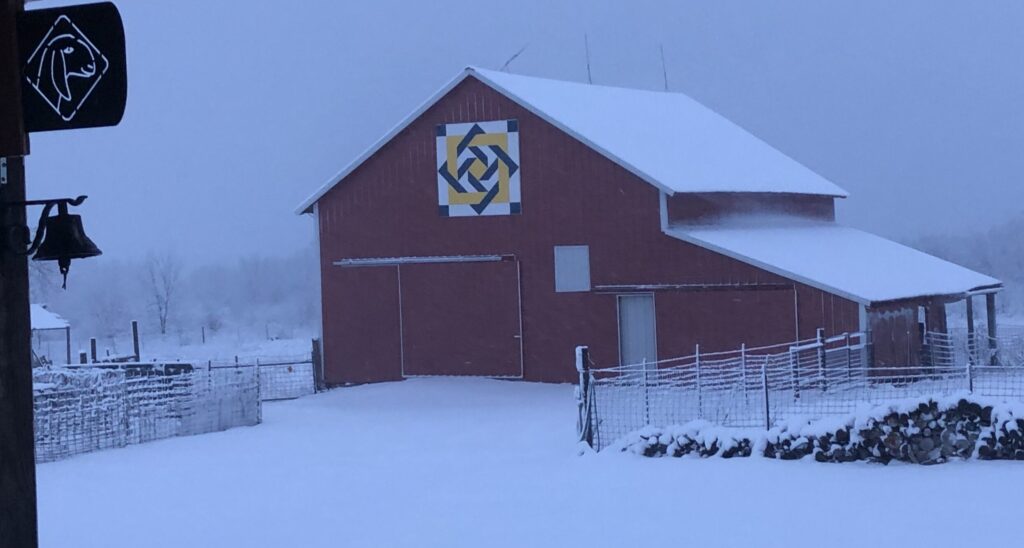
Our goats should start to have babies in mid-April, and we will again eagerly host a stop on the Spring Farm Tour across Mother’s Day weekend, which will launch the beginning of our 2026 season. You can see all of our 4-legged kids and meet our new 2-legged one, too!

There are always improvement projects to look forward to on the farm and in the house, but we hold things loosely, because, well, life 😉

But most of all, we hope to for the opportunity to bless you, to encourage you, and to grow with you in 2026. We hope for the chance to provide you with healthy raw goat milk and products, as well as for the gift to just walk through life together – in the highs and lows. Thank you for allowing us the blessing of serving you. It is a genuine joy and honor! ❤️

With Love,
Sarah & Family

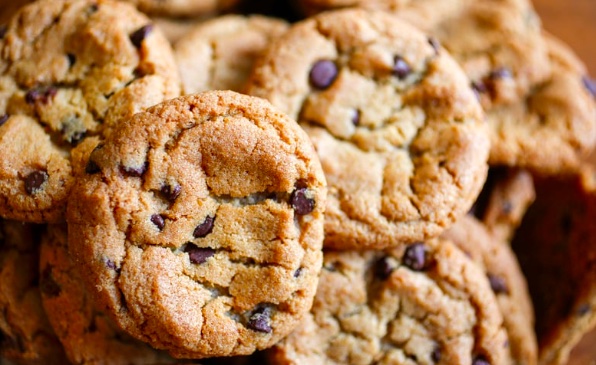
Sarah’s Favorite Chocolate Chip Cookie Recipe

Although not sworn or protected as “a secret family recipe” I had to marry into my family to get this gem…. the IDEAL chocolate chip cookie recipe…

Sarah’s Favorite Chocolate Chip Cookie Recipe

Although not sworn or protected as “a secret family recipe” I had to marry into my family to get this gem.

Truly. I made A LOT of lousy chocolate chip cookies on the quest for this recipe… and then this beauty fell into my lap as an unexpected perk of marriage.

And did I mention this goes ideally with raw goat milk?! 🥛 If your milk stash is empty, put it on your bucket list for this spring… grab some fresh Grace Heritage Farms raw goat milk and make these cookies and ahhhhhh, SO GOOD!

This is 100%, hands down THE BEST chocolate chip cookie recipe out there. A guaranteed win in all party crowds (or in your own kitchen!).

Ready for it? Here goes! (my mouth is already watering…)

Chocolate Chip Cookies
makes ~ 2 dozen

Ingredients:
-1 c shortening
-1/2 c sugar
-1 c brown sugar
-2 eggs
-1 tsp vanilla
-1 tsp soda
-1 tsp salt
-2 1/4 c flour
-2 c chocolate chips

Instructions
1. Preheat oven to 350 degrees F.
2. Mix all ingredients together (stand mixer is easiest).
3. Scoop by spoonful onto cookie sheet.
4. Bake at 350 degrees F for 10 minutes.
5. Cool and serve (or scald your mouth on the hot ones because they’re so delicious!)

I hope you are just as blessed by these delicious morsels as my family has been! 🍪 

Why Raw Goat Milk is Hard to Find in the Winter

Why Raw Goat Milk Is Hard to Find in the Winter

If you’ve discovered how raw goat milk helps your gut, your energy, and your overall wellness — it can be frustrating when it disappears in the winter.

Many families love getting fresh milk from a local farm, only to find out it’s not available during the colder months. But why is that?

Let’s walk through why raw goat milk is hard to purchase directly from farmers in the winter — and how understanding the natural rhythm of goats can help you plan ahead.

The Simple Reason: Goats Take a Break

Goats aren’t machines. They’re living animals with natural cycles.

Unlike grocery store milk, which comes from large operations that breed and milk cows year-round, raw goat milk from small farms like ours follows a more traditional, seasonal rhythm.

Goats are typically milked after they give birth. In most climates, that means spring through early fall. Once breeding season starts in the fall, farmers dry off their goats (stop milking) to let their bodies rest and prepare for the next round of babies.

So when winter comes, the milk dries up.

Why Goats Don’t Make Milk Year-Round

1. Milk Only Comes After Birth

Like all mammals, goats produce milk to feed their babies. They don’t make milk all the time — only after they give birth.

On most small farms, baby goats (“kids”) are born in late winter or early spring. The mama goats start producing milk around then, and continue for about 6–9 months.

When farmers stop milking in the fall, it’s because the goats are being bred again — and their bodies need time to rest and grow healthy babies.

2. Healthy Goats Need Rest

Milking is demanding. Producing nutrient-rich milk takes a lot out of a goat’s body.

Giving them a break during pregnancy helps them stay strong, avoid burnout, and come into the next season healthy and ready to produce again.

It’s also better for the milk. When goats are well-rested and well-fed, their milk is richer and easier to digest.

Why Most Small Farms Follow This Cycle

Small raw milk dairies usually don’t use hormones or artificial lighting to force goats into year-round production. Instead, they let the animals follow their natural patterns. Here’s what a typical year looks like:

    • Fall (October–November): Breeding season begins (milk acquires a “goaty” flavor through these hormone fluctuations – we choose not to milk during this time)

    • Winter (December–February): No milk; goats are pregnant and resting

    • Spring (March–April): Baby goats are born; milking resumes

    • Summer (May–August): Peak milk season

    • Early Fall (September): Milking slows as breeding season prepares to starts again

This cycle respects the animal’s health — and supports the quality of the milk.

But I Need It for My Gut — What Can I Do?

If raw goat milk has been part of your healing journey, it’s understandable to feel disappointed when it’s not available.

Here are a few ways to plan ahead and support your gut during the winter:

1. Freeze It While It’s Fresh

Many farms offer the option to buy and freeze raw goat milk in the summer and fall. Our farm offers it for sale this way to help you prepare! Milk freezes well (and is how our family survives in the winter!). If you opt to freeze it on your own, just be sure to:

Milk freezes well — just be sure to:

    • Use clean, airtight containers (leave space for expansion)

    • Thaw in the fridge, not on the counter

    • Shake or stir gently before using

While the texture may be slightly different after freezing, the nutrients and enzymes remain intact.

2. Ask About Frozen Options

Some farms freeze milk in advance and sell it through the winter. We often have some available (but be warned, it’s only available for a limited time – our stock sells quickly throughout the winter!).

If your farmer offers frozen milk, stock up monthly and keep your freezer organized so you always know what you have on hand.

3. Focus on Other Gut-Healthy Foods

When raw milk isn’t available, it’s a great time to focus on other gut-supporting foods like:

    • Bone broth

    • Fermented vegetables (sauerkraut, kimchi)

    • Yogurt or kefir (if tolerated)

    • Cooked vegetables, especially root veggies and squash

You can even use frozen raw goat milk as a base for smoothies, soups, or homemade yogurt.

Why Farms Don’t Just Milk All Year

It might seem like farmers could just stagger their breeding schedules or keep a few goats milking during the winter. And while some large operations do this, it’s not always practical — or healthy — for small farms.

1. Goats Are Seasonal Breeders

Most goats come into heat in the fall. It’s difficult (and sometimes impossible) to breed them at other times without drugs or artificial lighting.

That means babies are naturally born in spring — and milk comes after.

2. Milking Through Pregnancy Isn’t Ideal

While it’s possible to milk goats through early pregnancy, most small farmers choose not to.

Why?

    • It can stress the mother goat and inhibit fetal growth

    • Milk production drops naturally anyway

    • It’s hard on the farmer during cold, icy months

3. Winter Farming Is Demanding

Caring for animals in freezing weather is no small task. Hauling water, cleaning stalls, and milking in below-zero temps and dark hours can take a physical toll — especially when the output is low.

By focusing on rest and preparation in the winter, our family and herd can serve you best.

How You Can Support Your Farmer

If you love raw goat milk, you’re already part of something special: a local food system built on care, transparency, and health. YOU are why we are here!

Here’s how you can support us during the off-season:

    • Buy frozen milk if offered — even a few extra gallons help

    • Stay on our email list for updates on when milk returns

    • Purchase other winter products like fudge, soap, or cheese

    • Tell your friends about your experience with raw milk

Every purchase, referral, and kind word helps small farms survive the winter and continue offering clean, wholesome milk in the spring.

Final Thoughts

Raw goat milk is a seasonal gift — not a mass-produced product. When we understand the natural rhythms behind it, we begin to see its value more clearly.

Winter might feel like a pause, but it’s really a time of rest, growth, and preparation — for both goats and the people who care for them.

So if you’re reaching for raw milk this winter and can’t find it, remember: it’s coming back. And when it does, it will be fresh, full of life, and worth the wait.

In the meantime, stock your freezer, nourish your gut with other real foods, and trust the process.

Because sometimes, the healthiest things in life follow a slower rhythm — and that’s part of the beauty.


How Raw Goat Milk Supports Gut Health and Wellness

How Raw Goat Milk Supports Gut Health and Wellness

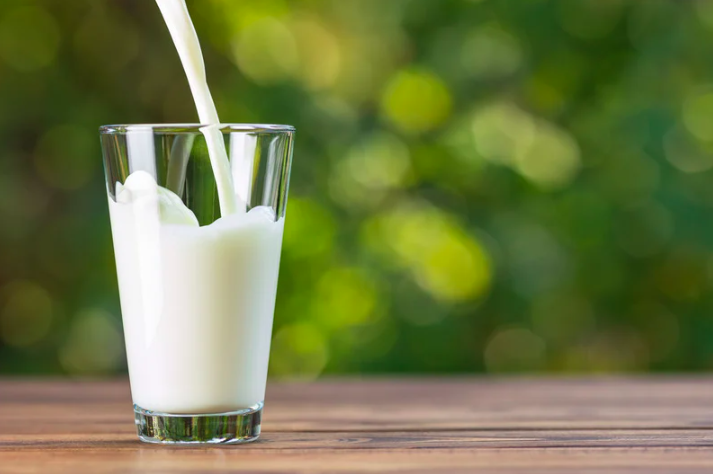
Glass of milk

How Raw Goat Milk Supports Gut Health and Wellness

If you’re a woman in your 30s, 40s, or 50s and you’ve been struggling with gut issues, low energy, or food sensitivities, you’re not alone. Many women today are looking for simple, natural ways to support their health — without adding another prescription or complicated supplement.

One of the most powerful changes you can make? Switching to raw goat milk.

This might surprise you, especially if you’ve grown up hearing that milk causes bloating or inflammation. But raw goat milk is different. It’s packed with gentle nutrition, full of natural enzymes, and loved by many people who can’t tolerate regular cow’s milk.

Let’s look at how raw goat milk can support your gut, your immune system, and your overall wellness.

What Is Raw Goat Milk?

Raw goat milk is milk that comes straight from the goat without being pasteurized (heated) or artificially homogenized (processed to make the fat stay mixed in). That means all the natural nutrients, enzymes, and good bacteria are still there — just like nature made it.

At clean, well-run farms, raw milk is handled with care to keep it safe, fresh, and wholesome. The result? A nourishing food that your body can actually recognize and use.


Why Gut Health Matters (Especially for Women)

Your gut does more than just digest food. It helps control your immune system, balance your hormones, and even regulate your mood. When your gut is out of balance, you might feel it as:

-Bloating or gas

-Brain fog

-Constipation or diarrhea

-Food sensitivities

-Anxiety or low energy

Many middle-aged women find that gut symptoms get worse with age — especially around hormone shifts. Supporting your gut with real, whole foods can be a powerful step toward feeling better.

How Raw Goat Milk Helps Your Gut

Raw goat milk is often easier to digest than cow’s milk or processed dairy. Here’s why:

1. It Has Natural Digestive Enzymes

Pasteurization kills the enzymes that help you digest milk. Raw milk still contains them — including lactase, which helps break down lactose (milk sugar). That’s why many people who are lactose intolerant can drink raw goat milk without a problem.

2. It Contains Beneficial Bacteria

Raw milk is full of probiotics — the good bacteria your gut needs to stay balanced. These natural probiotics support digestion, reduce inflammation, and can help with things like leaky gut or irritable bowel symptoms.

3. It’s Gentle on the System

Goat milk has smaller fat globules and different proteins than cow milk. That makes it naturally easier to digest, especially for sensitive stomachs. It also tends to be less mucus-forming.

“Since switching to raw goat milk, my tummy trouble has gone away — and I get enjoy milk again without my stomach hurting and gurgling.”


What Else Is in Raw Goat Milk?

It’s not just good bacteria. Raw goat milk is also rich in:

-Calcium – for bones, teeth, and hormone balance

-Magnesium – helps with sleep and muscle cramps

-Vitamin A – supports skin, vision, and immune health

-Selenium and Zinc – essential for thyroid and immune support

-Medium-chain fatty acids – quick energy and brain fuel

These nutrients come in a form your body can easily absorb — because they haven’t been damaged by heat or processing.


Raw Goat Milk and Immune Health

When your gut is strong, your immune system is stronger too. Raw milk contains compounds like:

-Lactoferrin – fights harmful bacteria and supports iron balance

-Immunoglobulins – help your body recognize and fight off viruses

-Probiotics – keep bad bacteria in check

These natural helpers support your body’s ability to heal and protect itself — without the need for synthetic additives.


Is It Safe?

Safety is a common question — and a good one. The answer depends on how the milk is produced.

At farms that follow high cleanliness standards (like those taught by the Raw Milk Institute), raw milk is tested, chilled quickly, and handled with care. These farms are transparent about their process and often welcome questions or visits.

Thousands of people drink raw milk every day without issues — and many feel it has greatly improved their health.


Who Can Benefit Most?

While raw goat milk can be enjoyed by many people, it’s especially helpful for:

Women with IBS, acid reflux, or leaky gut

-People with lactose intolerance

-Those recovering from illness or antibiotics

-Women going through hormonal shifts

-Anyone looking for a clean, whole-food source of nourishment

Many people find that when they start drinking raw goat milk, they:

Experience less bloating and discomfort

Sleep better

-Have more regular digestion

-Feel more energized


How to Get Started

Come visit us! Pick up your life-changing raw goat milk during our seasonal store hours Tuesday evenings and Saturday mornings from April – October. We’ll support you, answer any questions you have, and make sure you have what you need. You can always reserve your milk ahead of time in our online store.

It’s a simple change that can make a huge difference. Oftentimes the simplest, oldest foods are the most powerful.

Raw goat milk offers real nourishment in a world full of artificial solutions. For women seeking gut health, hormonal balance, and clean energy — it might just be the support your body has been asking for.

Want to give it a try? Start with a quart and let your body decide. We are here to help your body thrive!

Why Do People Drink Raw Milk?

Why Do People Drink Raw Milk?

If you’ve ever wondered why more people are drinking raw milk, you’re not alone. In an age of ultra-pasteurization, shelf-stable milk, and fortified formulas, choosing fresh, unprocessed raw milk might seem old-fashioned — or even risky to some. But to many families, health-seekers, and those with sensitive bodies, it’s a powerful return to real food.

So why do people drink raw milk?

The short answer: because they feel better when they do.

Whether they’re choosing it for babies with colic, children with eczema, or adults looking to support digestion and energy, many people find that raw milk offers a noticeable difference. It’s not a miracle cure, but it is a deeply nourishing, whole food — and for many, it’s been a missing piece of the puzzle.

Let’s explore the most common reasons people choose raw milk, the benefits they experience, and what makes it different from the processed milk most of us grew up on.

1. Raw Milk Is a Complete, Living Food

Raw milk is milk in its original state — unpasteurized, unhomogenized, and full of natural enzymes, healthy fats, vitamins, and beneficial bacteria. Nothing is removed, nothing is added.

It contains:

    • Natural digestive enzymes, including lactase, lipase, and phosphatase

    • Probiotics, which support a healthy microbiome

    • Fat-soluble vitamins like A, D, and K

    • Essential minerals including calcium, magnesium, and selenium

    • Healthy fats and proteins that the body can easily absorb

Pasteurization — the process of heating milk to kill bacteria — may make milk more shelf-stable, but it also destroys many of these naturally occurring nutrients. Homogenization, which breaks down fat molecules to prevent cream from separating, changes the structure of the milk in ways that can make it harder to digest.

Raw milk, when produced safely and cleanly, is a nutrient-dense, easily absorbed food — and for those with digestive or inflammatory issues, that can make a world of difference.

2. It’s Easier to Digest — Especially Goat Milk

Many people who struggle with dairy digestion find that raw goat milk, in particular, is much gentler on the body. Why?

    • Smaller fat globules make goat milk naturally homogenized — easier to digest without mechanical processing

    • A2 casein proteins, found in most goats, are gentler than the A1 proteins in most cow’s milk, which can trigger inflammation in sensitive people

    • Lower lactose content, plus the presence of natural lactase, means people with lactose intolerance often tolerate raw goat milk well

This makes raw goat milk a favorite among parents of infants, children with food sensitivities, and adults with autoimmune conditions, IBS, or skin issues like eczema.

Real Stories from the Farm:
Listen to what one set of parents shared with us:

“We tried everything the doctors told us — every kind of formula and supplemental nutrition — and nothing worked. Our 9-month-old daughter still had failure to thrive and was still in and out of the PICU. But when we started raw goat milk through you, our baby was finally happy and gaining weight. For the first time in her life, she was gaining on the growth charts!”

It’s not magic. It’s just nature, working the way it was designed to.

3. Raw Milk Supports Gut Health

You’ve probably heard a lot about gut health lately — and for good reason. Research shows that the gut microbiome influences digestion, immunity, brain function, and even mood.

Raw milk plays a powerful role in this area. Because it’s unprocessed, it contains:

    • Live probiotics that feed good gut bacteria

    • Prebiotics that help beneficial microbes thrive

    • Digestive enzymes that aid in nutrient absorption

The Raw Milk Institute highlights the critical role raw milk plays in gut development, especially for children. Their research and field data show that high-quality raw milk can help balance the gut microbiome, regulate inflammation, and support overall immunity.

4. Raw Milk Strengthens the Immune System

Raw milk isn’t just food — it’s functional nourishment. It contains compounds that support immune health in a natural way:

    • Lactoferrin, which binds iron and has antimicrobial effects

    • Immunoglobulins, which help the body recognize and respond to pathogens

    • Beneficial bacteria, which train and balance the immune system

These compounds are heat-sensitive and are destroyed by pasteurization. That’s why many people with autoimmune issues, chronic inflammation, or recurrent illness report fewer flare-ups and stronger immune resilience after switching to raw milk.

5. It May Reduce Allergies and Asthma in Children

One of the most exciting areas of research around raw milk is its potential to reduce childhood allergies and asthma.

The PASTURE Study, published in The Journal of Allergy and Clinical Immunology, showed that children who drank raw milk early in life had significantly lower rates of asthma, eczema, and seasonal allergies.

The researchers suggested that raw milk’s natural immune-regulating compounds help prevent the overactive immune responses that lead to allergic disease.

For parents looking to give their children a healthier start — especially if they have a family history of allergies — this research is a game-changer.

6. Raw Milk Comes from Local Farms You Can Trust

More than ever, people want to know where their food comes from. Raw milk offers a level of transparency and connection that industrial food can’t match.

When you buy raw milk directly from us:

    • You nourish your body

    • You and your family thrive

    • You know how the goats are treated

    • You can often visit the farm and ask questions

    • You know your raw milk is quality tested

    • You support sustainable, humane, and regenerative agriculture

    • You trust the hands that produce your food

At our farm, we welcome questions and visits. We believe you deserve to know how your milk is made — and that trust is earned, not assumed.

7. It Tastes Better

Let’s not forget this simple truth: raw goat milk tastes amazing.

Fresh raw goat milk has a smooth, creamy texture and a slightly sweet flavor. It lacks the “goaty” taste many people fear — which usually comes from poor handling or diet, not the milk itself.

Because the cream hasn’t been homogenized, and the natural enzymes are intact, raw milk often feels more satisfying and “complete” than the milk most people are used to.

8. It’s Rooted in Tradition — and Backed by Research

Raw milk isn’t new. It’s a traditional food that’s nourished families around the world for thousands of years.

Organizations like the Weston A. Price Foundation promote raw milk as a cornerstone of ancestral diets, supporting strong bones, vibrant immunity, and resilient children.

At the same time, modern research from institutions like RAWMI shows that raw milk — when produced safely — can meet or exceed safety standards and provide measurable health benefits.

It’s not about looking backward. It’s about recognizing that some foods, in their most natural form, offer something that science is only beginning to understand.

In Closing: Is Raw Milk Right for You?

Every person is different, and every body responds uniquely. Raw milk isn’t for everyone — but for those who benefit, it can be life-changing.

If you’re curious:

    • Visit a local farm (we’d love to answer your questions!)

    • Ask about their safety standards and milking practices

    • Try a small amount and listen to your body

    • Connect with others who’ve made the switch

Whether you’re a first-time mom looking for a better formula alternative, someone managing an autoimmune condition, or simply a person who wants to feel well again — raw milk might be the missing piece.

At Grace Heritage Farms, we’re here to support your journey with clean, safe, and compassionate raw goat milk — from our family to yours.

Ready to try it? Check out our current product availability!

Resources

Milk Cycle of a Goat

Understanding the seasonal milk cycle (lactation cycle) will help you understand where your products come from and why they are available only during certain parts of the year.

    1. Breeding season:

In the fall (typically mid-to-late October), the buck is placed with the does for breeding. All does 18 months or older are bred and have a 5-month gestation period. We choose not to milk during this time to give mommas time and energy to grow their young, and because goat milk takes on a “bucky” scent. If you’ve never been around a buck during breeding season, they smell terrible. We spare you (and us) of this in the milk!

    2. Kidding season:

This is an exciting time! As soon as five months after being placed with the buck, the does start to kid. This is typically in the March-May timeframe. Twins are the most common kid sets on our farm, although singles and triplets come as well. The first week of milk is nutrient-dense colostrum, which is necessary to newborns for growth, immunity, and overall health. Optimal kidding means the kids are born and standing up to nurse within a couple of hours!

    3. Milk-Sharing season: 

To grow healthy (4-legged) kids, milk is split between us (people) and the young goats. On our farm, we begin overnighting the kids in a pen separate from their mommas when they are 7-10 days old. Not to fear, they snuggle and play with their friends during this time! We milk the does early in the morning to save milk for drinking and cheese-making, and then reunite the kids with their mothers. (fun side note: the babies SPRINT through the barn to join with their mommas. We call this “the running of the goats” and look forward to it every morning!). The kids nurse off of their mommas all day long, while also learning from the herd how to eat in the pasture. In the evening, we again return the babies to the “kid pen.” 

    4. Peak Production Season

Depending on the year and family schedule, the kids may be weaned at 8-12 weeks. When this happens, the farm switches to peak dairy production mode.  With our does giving 1-2 gallons of milk each day, there are plenty of product options during this time! Keep in mind that the individual doe production does not actually increase, but the amount usable for humans roughly doubles.

    What Does This Mean for the Consumer?

Ultimately, daily fresh milk is available from April – October on our farm. We freeze fresh milk throughout the season to drink and use in the winter months. It’s a fair compromise when the goats are not in milk and when you’re in a pinch, it is exactly what you need!

Even if it’s the “dry” season during the winter, give us a call. We still might have what you’re looking for!

All About Goat Milk

Uses & Flavor

Those of you who get milk from us KNOW that there is a difference in our milk and what you buy from the store. In fact, our top 3 groups of milk-purchasing clients are those who:

    • are lactose intolerant to cow’s milk
    • have inflammatory conditions, such as rheumatoid arthritis, fibromyalgia, etc
    • are feeding newborns and infants 

If you’re not sure on the flavor of goat’s milk, that’s okay. Goat milk can be sweet and creamy, but must be handled properly. If your only exposure to goat’s milk is from the store, for the love, please do not use that experience to determine the entirety of your opinion! Retailed goat’s milk is not fair to what the flavor really can be.

Let’s address “goaty” flavor. We hear this concern a lot. Yes, under the wrong circumstances, goat milk can be “goaty.” BUT when the milk is rapidly chilled after milking, proper cleanliness is kept of milking receptacles (stainless steel or glass containers are a must!), the does are kept from the bucks, and the milk is fresh, the milk is creamy, sweet, and delicious! Goat milk does contain a naturally-occurring enzyme called caproic acid that strengthens in the milk over time, giving it a stronger flavor. We encourage consumers to drink their milk within a week and everything you buy off of the farm is incredibly fresh!

Benefits

Our clients can tell of the benefits of goat’s milk the best! Countless of our raw milk consumers have told us that it alleviates their “tummy trouble” — code for all kinds of gastrointestinal distress. This makes sense because goat’s milk is lower than lactose than cow’s milk. Additionally, the fat globules within goat’s milk are more naturally homogenized (mixed up) than cow’s milk; your body does not have to work as hard to digest goat’s milk.

What about milk allergies? Some allergic reactions to cow’s milk are caused by the primary type of casein (milk protein) in it (alpha casein). For those sensitive to higher percentages of alpha casein, the lower percentage of this in goat’s milk is tolerable; goat’s milk has a higher percentage of beta casein instead.

Goat’s milk is also higher in calcium, potassium, magnesium, vitamin A, and vitamin C than cow’s milk. The natural microflora present in raw milk may additionally add to decreased inflammation, but raw vs pasteurized milk is a whole different can of worms we will open in a different newsletter.

Do you have a goat milk/product success story you’d like to share? Comment below or shoot us an email at farm@graceheritagefarms.com; we’d love to hear your story!